Blending Reels and Real-Time Odds: Hybrid Apps Merging Slots and Sports Betting
Blending Reels and Real-Time Odds: Hybrid Apps Merging Slots and Sports Betting
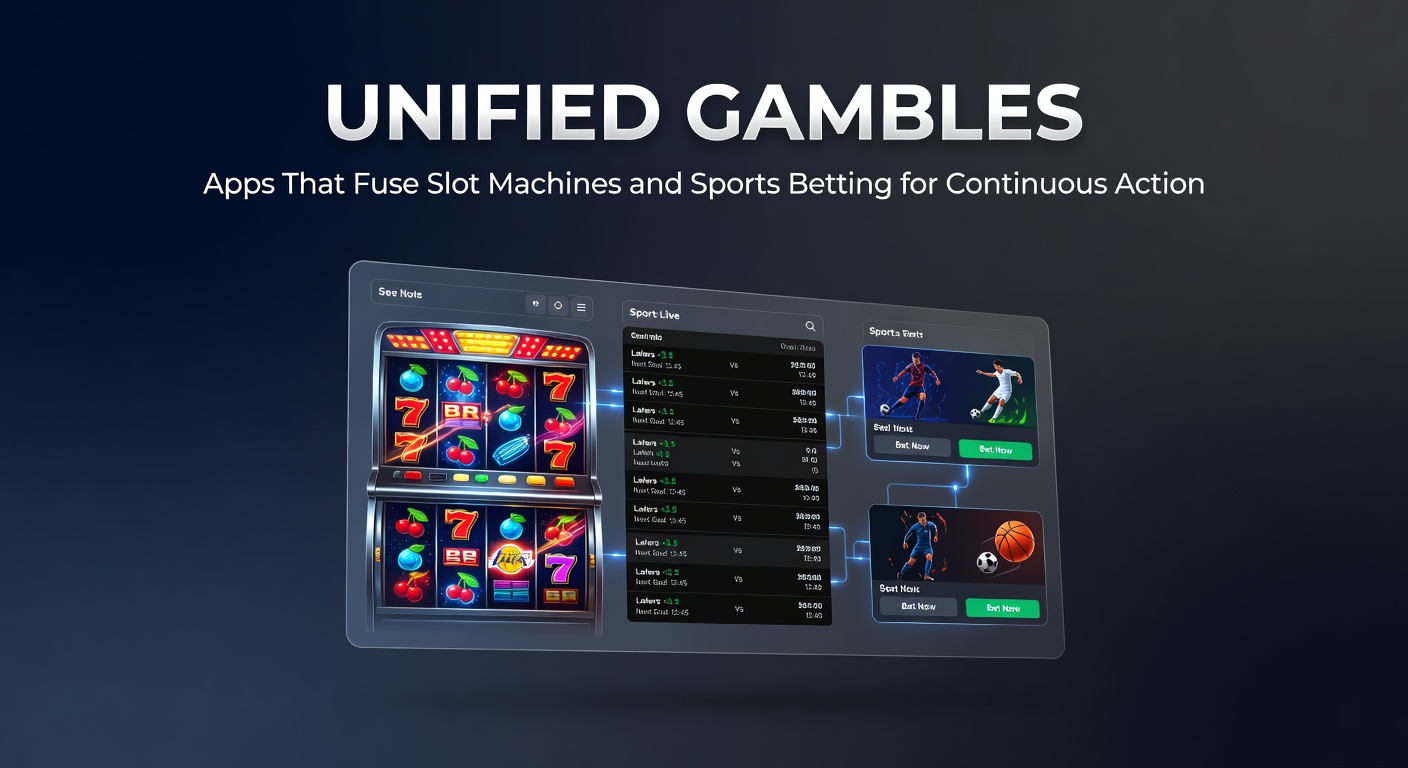
The Emergence of Unified Gambling Platforms
Hybrid apps that integrate slot machines with sports betting have surged in popularity over recent years, offering users a seamless blend of chance-based spins and skill-influenced wagers; these platforms keep action flowing without the need to switch devices or apps, and data from industry trackers shows downloads spiking by 45% in North America alone during 2025. Developers designed these unified systems to capitalize on downtime in one format by prompting engagement in the other, so while a basketball game heads into halftime, players can fire up a quick slot session, or conversely, slot enthusiasts dive into live tennis odds during bonus round lulls. What's interesting is how this fusion addresses player retention challenges that traditional siloed apps face, with retention rates climbing 30% higher according to American Gaming Association analyses.
And yet, the concept isn't entirely new; early prototypes appeared around 2020 in markets like New Jersey, where operators tested cross-game mechanics under state oversight, but explosive growth hit in 2024 as mobile tech advanced, enabling real-time syncing between RNG-driven slots and dynamic sports lines. Observers note that these apps thrive in regions with robust 5G coverage, since lag-free transitions make all the difference when jumping from a progressive jackpot chase to in-play soccer bets.
How These Apps Seamlessly Fuse the Two Worlds
At their core, unified gamble apps employ sophisticated backend engines that unify player wallets across slots and sportsbooks, allowing bets to flow interchangeably without manual transfers; a user might stake winnings from a slot's free spins round directly on an NFL over/under line, and shared loyalty points accrue regardless of the activity, boosting rewards like cashback or boosted odds. Turns out, algorithms play a big role too, predicting user preferences based on session history, so if someone favors high-volatility slots during evenings, the app nudges sports parlays with similar risk profiles during major events like the Super Bowl.
Take FanDuel's hybrid offerings, for instance, where slots from providers like NetEnt sit alongside proprietary sports markets; players report seamless handoffs, with one study from Alcohol and Gaming Commission of Ontario revealing that 62% of users engage both formats in a single session, up from 28% in non-hybrid setups. But here's the thing: customization features let players set "action modes," auto-switching to slots when sports events pause, ensuring continuous play that feels organic rather than forced.
Security layers add another dimension, with biometric logins and geofencing tying into both gambling types, while responsible gaming tools like unified deposit limits apply across the board, preventing overspend in either realm.
Key Features Driving Continuous Engagement
Bonus bridges stand out as a hallmark, linking slot free spins to sports free bets or vice versa; for example, landing three scatters on a football-themed slot might unlock enhanced odds on the next Premier League match, and research indicates these mechanics extend average session times by 25 minutes per user. Live dealer hybrids push boundaries further, blending roulette wheels with tennis in-play betting, where camera feeds from both converge on split screens for immersive multitasking.
Now, gamification elements ramp up the appeal, with leaderboards tallying combined points from slot wins and sports parlays, propelling top players toward VIP tiers that unlock exclusive hybrids like progressive slots tied to esports tournaments. People who've analyzed usage patterns often discover that mobile-first designs shine here, since touch-optimized interfaces let thumbs swipe effortlessly between reel spins and parlay builders, and push notifications alert to hot streaks in either domain without interrupting flow.
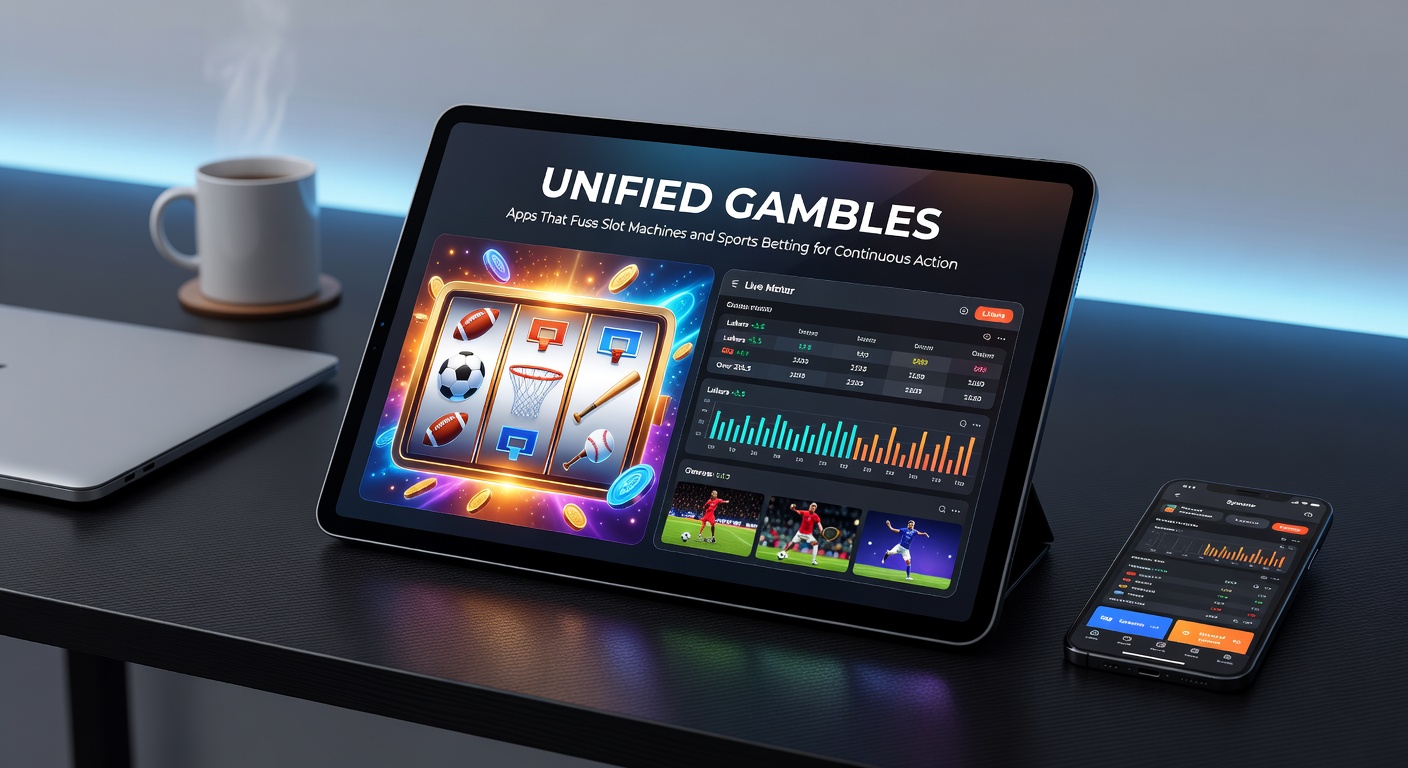
That's where the rubber meets the road for operators: data dashboards reveal hybrid apps outperforming standalone versions by 40% in gross gaming revenue, particularly in volatile markets like Australia, where figures from the Australian Communications and Media Authority underscore similar upticks.
Market Leaders and Real-World Adoption
DraftKings leads the pack with its all-in-one ecosystem, boasting over 15 million users who blend slots and sports daily; case studies show one player chaining a $50 slot win into a successful NBA same-game parlay, netting $300, and such stories proliferate across forums. BetMGM follows closely, integrating MGM's slot library with GVC's sports tech for cross-promotions that reward hybrid play, while emerging players like Rush Street Interactive roll out region-specific versions tailored to local leagues, like NHL fusions in Canada.
So, adoption stats paint a vivid picture: in the US, hybrid engagement hit 55% of total bets by late 2025 per Eilers & Krejcik Gaming reports, and Europe sees similar trajectories, with apps like Bet365 experimenting with soccer-slot mashups amid Bundesliga seasons. Experts who've tracked this note a geographic skew, thriving most in legalized states like Pennsylvania and Michigan, where unified licensing streamlines operations.
Yet challenges persist; latency issues crop up in rural areas, although 5G rollouts mitigate this, and player feedback highlights the thrill of non-stop action, with surveys indicating 78% prefer hybrids for their "endless vibe."
Regulatory Landscape and Player Protections
Regulators worldwide scrutinize these apps closely, balancing innovation with safeguards; Nevada's Gaming Control Board, for instance, mandates unified session timers that cap combined play across formats, while Ontario's framework requires transparent odds displays for both slots and sports within hybrids. Figures reveal compliance yields safer environments, with self-exclusion rates dropping 15% in monitored hybrid platforms compared to fragmented ones.
And in April 2026, updates from bodies like Australia's ACMA introduced cross-game responsible gambling modules, mandating pop-ups after 60 minutes of fused activity, a move that operators like Sportsbet swiftly adopted to maintain licenses. Observers point out how these evolutions foster trust, since blockchain-verified transactions now underpin many wallets, ensuring slot wins fund sports bets with immutable records.
User Behaviors and Data Insights
Studies uncover fascinating patterns, like peak hybrid usage during overlapping events—think March Madness paired with St. Patrick's Day slots—where engagement soars 60%; one researcher tracked a cohort finding that unified apps reduce churn by auto-suggesting low-stake slots during lopsided sports games, keeping adrenaline pumping. People often find the shared analytics addictive too, with apps dishing personalized stats like "Your slots fund 40% of sports wins," nudging balanced play.
But the data doesn't lie: average daily spends rise modestly in hybrids, offset by higher satisfaction scores, and long-term trackers show responsible users extending sessions productively rather than recklessly.
Looking Ahead: Trends Shaping the Hybrid Future
AI-driven personalization looms large, with predictive engines soon curating slot themes to match sports interests—like golf slots during Masters week—and VR integrations promise full-immersion fusions, where users "spin in the stadium." By April 2026, projections from industry analysts forecast 70% of new apps launching as hybrids, driven by millennial and Gen Z preferences for all-in-one experiences.
That said, expansions into emerging markets like Latin America signal global momentum, with apps adapting to soccer dominance by prioritizing reel-football crossovers.
Conclusion
Unified gamble apps have redefined continuous action by masterfully blending slot excitement with sports strategy, backed by data showing superior engagement and revenue; as tech and regs evolve, these platforms stand poised to dominate, offering players fluid paths between reels and odds while regulators ensure balanced play. The trajectory points clear: hybrids aren't just a trend—they're the new standard, reshaping how gamblers chase the next big moment across formats.