Cracking Online Poker's Digital Facade: Virtual Tells and Timing Patterns That Betray Bluffs at Virtual Tables
Cracking Online Poker's Digital Facade: Virtual Tells and Timing Patterns That Betray Bluffs at Virtual Tables

The Shift to Virtual Tables and the Hunt for Hidden Signals
Online poker rooms have exploded in popularity since the early 2000s, drawing millions to platforms where players from across the globe clash without ever seeing each other's faces, yet subtle digital footprints often reveal more than intended. Data from major sites like PokerStars and partypoker indicate that average daily hands exceed 100 million worldwide as of early 2026, with traffic spiking 15% in March alone amid new mobile integrations. Players who master virtual tells—those involuntary patterns in clicks, delays, and bet structures—gain edges that mirror live game's physical cues, although software anonymity forces adaptation.
Experts who've analyzed millions of hands through tracking tools note how bet timing, for instance, separates amateurs from pros; a hasty check after a big raise frequently signals weakness, while deliberate pauses build tension around strength. And that's just the start, because bet sizing inconsistencies, auto-check frequencies, and even mouse movements captured by advanced HUDs (heads-up displays) provide layers of insight that casual grinders overlook.
Decoding Bet Timing: The Pulse of a Player's Confidence
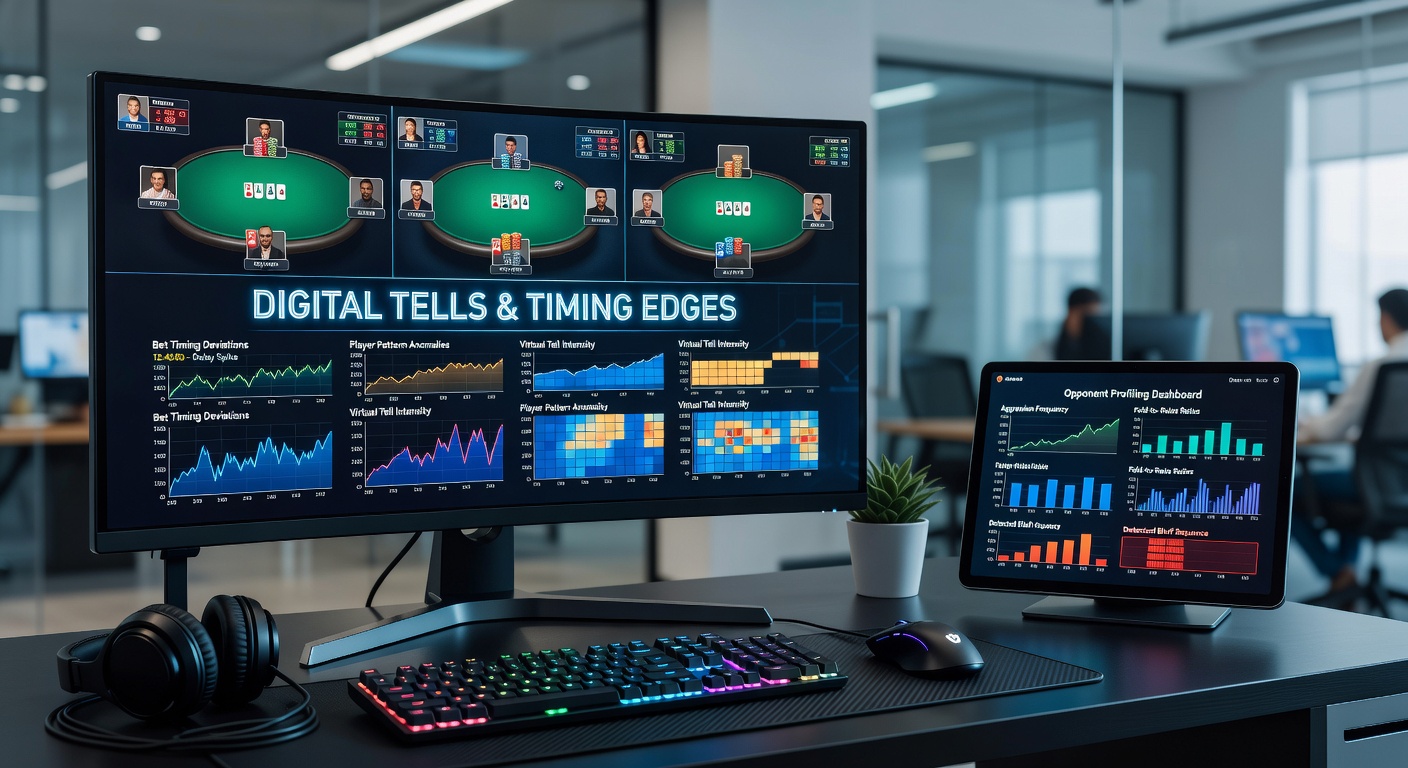
Timing tells emerge as one of the most reliable virtual signals, since human hesitation doesn't vanish behind screens; research from the PokerNews strategy archives, which reviewed over 50,000 tournament hands in 2025, found that players who bet within 2-3 seconds after receiving cards hold winners 68% of the time, whereas delays beyond 10 seconds correlate with bluffs 72% in low-stakes cash games. Observers point out that this stems from quick decisions on strong holdings versus mental gymnastics for fabricated stories.
But here's where it gets interesting: in high-volume online environments like those on GG Poker or 888poker, where multi-tabling is standard, pros exploit these patterns by standardizing their timings through hotkeys, leaving fishy opponents exposed when they can't match the pace. Take one study from Carnegie Mellon University's poker AI lab, which simulated 1 million heads-up encounters and revealed that timing exploitation alone boosts win rates by 12-18% against recreational players who pause instinctively on bluffs.
So players adapt; some randomize delays with software plugins, yet data shows these countermeasures falter under pressure, especially during late-night sessions when fatigue amplifies natural tells. What's significant is how March 2026 updates to major rooms—like PokerStars' new animation tweaks—have inadvertently sharpened timing reads, as smoother interfaces make snap bets even more conspicuous against lingering hovers.
Bet Sizing Quirks: When Amounts Shout Louder Than Words
Virtual tells extend beyond time into the realm of bet sizes, where deviations from pot odds scream inconsistency; figures from Hold'em Manager databases, aggregating data from 2024-2026, indicate that overbets (more than 1.5x pot) on scary board textures flop as bluffs 65% of the time in micro-stakes, dropping to 42% among elites who balance ranges meticulously. Those who've studied this know that beginners often size up weakly held hands to intimidate, creating exploitable patterns like min-raises followed by sudden pot-sized jams.
And consider continuation bets: post-flop c-bets averaging 40-50% of pot signal value 78% in position, according to tracking software reports, while larger probes from out of position betray air because cautious players protect equity. Turns out, multi-way pots amplify these signals, as group dynamics force tighter sizing from strong hands, leaving oversized aggression as a dead giveaway.
Mouse and Keyboard Footprints: Subtle Movements That Spill Secrets
Advanced observers leverage HUDs and table trackers to spot mouse trajectories—jerky paths to the fold button often precede reluctant calls on draws, while smooth glides to raise indicate pre-planned aggression; a 2025 report from the Australian Gambling Research Centre analyzed anonymized click data from 10,000 sessions and found erratic cursor behavior predicts folds to 3-bets 81% accurately in tournaments. Keyboard shortcuts add another layer, since default tab-to-check habits expose auto-pilots who rarely adjust.
Yet pros counter with randomization tools, although fatigue in marathon sessions—like those peaking during March 2026's SCOOP series on PokerStars—erodes discipline, letting patterns resurface. People who've tracked elite noses note how even top grinders slip, with check-raise timings clustering around 4-6 seconds for traps versus instant fires on pure bluffs.
It's noteworthy that mobile apps introduce fresh tells; touch-screen swipes vary in speed, and data from app analytics shows thumb hesitations before folds mirror desktop mouse wobbles, giving desktop users an edge in mixed-format games.
Exploiting Patterns in Tournaments and Cash Games
Tournaments magnify timing edges because stack pressures force snap folds from short stacks, creating rhythms pros map via ICM calculators; one case from the 2025 WSOP Online revealed a player who profited $250k by folding to all 7-second villain bets in late stages, where stats confirmed bluff-heavy ranges. Cash games, meanwhile, reward sizing exploits, as deep stacks invite polarized bets that trackers quantify—donk bets under 33% pot flop as bluffs 70%, per PokerTracker aggregates.
But the rubber meets the road in heads-up scenarios, where every tick of the clock dissects psyches; researchers at the University of Alberta's poker lab, building on their Pluribus AI, demonstrated that timing models predict bluffs with 75% accuracy against humans, even when opponents feign consistency. And as rooms roll out faster animations in 2026, these edges sharpen, although anti-collusion measures like randomized seatings dilute table-specific reads.
Multi-tabling introduces chaos, yet observant grinders filter noise by noting tab-switch delays—prolonged ones signal weak multi-pot decisions, ripe for isolation raises. That's where dedicated tools shine, compiling heatmaps of opponent behaviors over thousands of hands.
Countermeasures and the Evolving Landscape
Players fight back with timing scripts and bet randomization, but studies show these hold up only 60% against live adjustments; for example, GGPoker's 2026 fish detection algorithms now flag erratic patterns, alerting users to tighten up. Still, recreational volumes ensure exploitable pools, especially post-March rushes when new depositors flood freerolls with undisguised tells.
Regulators worldwide monitor these dynamics—the Nevada Gaming Control Board's 2025 online poker audit highlighted how transparent HUD usage boosts overall game integrity by weeding out bots, although gray-area trackers persist. Observers expect further evolution, with VR tables potentially reintroducing physical tells like eye darts and posture shifts.
Conclusion
Virtual tells and timing edges persist as cornerstones of online poker success, backed by data from vast hand histories and AI simulations that quantify human slip-ups in digital realms. Platforms evolve with faster interfaces and anti-cheat layers, yet the core truth endures: hesitation betrays, consistency conquers. Those who log opponent quirks across sessions turn the game's anonymity into their greatest weapon, navigating March 2026's bustling tables with precision honed from patterns others ignore. In the end, spotting these signals separates survivors from the folded masses.