Guardian Probe Exposes Massive Unlicensed Casino Network Preying on UK's GamStop-Excluded Players
Guardian Probe Exposes Massive Unlicensed Casino Network Preying on UK's GamStop-Excluded Players

A Guardian investigation, published in early April 2026, has pulled back the curtain on a sprawling network of unlicensed online casinos that zero in on UK gamblers who've self-excluded through GamStop, those self-excluded players finding themselves bombarded with ads and easy access to sites like MyStake, Velobet, and Goldenbet despite their opt-outs.
Unraveling the Operators Behind the Sites
Entities such as Santeda International and Upgaming AG stand at the helm of this operation, both linked to Georgian businessmen who leverage jurisdictions like Curaçao and Georgia for their bases, places where licensing rules bend far more flexibly than in the UK; researchers tracing the connections note how these companies spin up dozens of brands under a single umbrella, each mimicking legitimate casinos while dodging UK oversight.
Take MyStake for instance, one platform that draws players in with flashy bonuses and seamless deposits, yet operators behind it route traffic through affiliate networks designed to skirt GamStop's barriers, affiliates who pocket commissions for every referral that sticks. And it's not just isolated sites; the network spans over 20 domains, all funneling UK traffic into a web of unregulated play that experts have observed thriving on regulatory blind spots.
What's interesting here is the deliberate setup: Georgian ties provide a layer of distance from UK enforcers, while Curaçao licenses—often criticized for lax enforcement—offer a veneer of legitimacy that lures wary players back into the fold, even those who've sworn off gambling via national self-exclusion tools.
How the Network Sidesteps GamStop Protections
GamStop, the UK's free national self-exclusion service launched in 2018, bars registered users from licensed operators, but these unlicensed outfits operate outside that ecosystem entirely, meaning self-excluded gamblers encounter no blocks when stumbling upon MyStake or its siblings through targeted ads on social media, search engines, or even football streaming sites.
Observers who've analyzed the traffic patterns describe a sophisticated playbook: affiliates promote the sites with promises of "GamStop-free" gaming, tailoring messages to vulnerable players who've hit pause on licensed platforms, while payment processors—sometimes crypto wallets or e-wallets—enable quick, anonymous deposits that bypass traditional bank checks. Turns out, this approach exploits a gap where UK laws focus enforcement on licensed firms, leaving offshore operators to cast wide nets unchecked.
One case highlighted in the probe involves a player who, after self-excluding on GamStop, received persistent emails from Velobet affiliates touting "no limits, no worries," leading to rapid losses that spiraled out of control; such stories underscore how the network preys on those seeking escape from their own safeguards.
The Alarming Scale: Millions of Visits and Real-World Harm
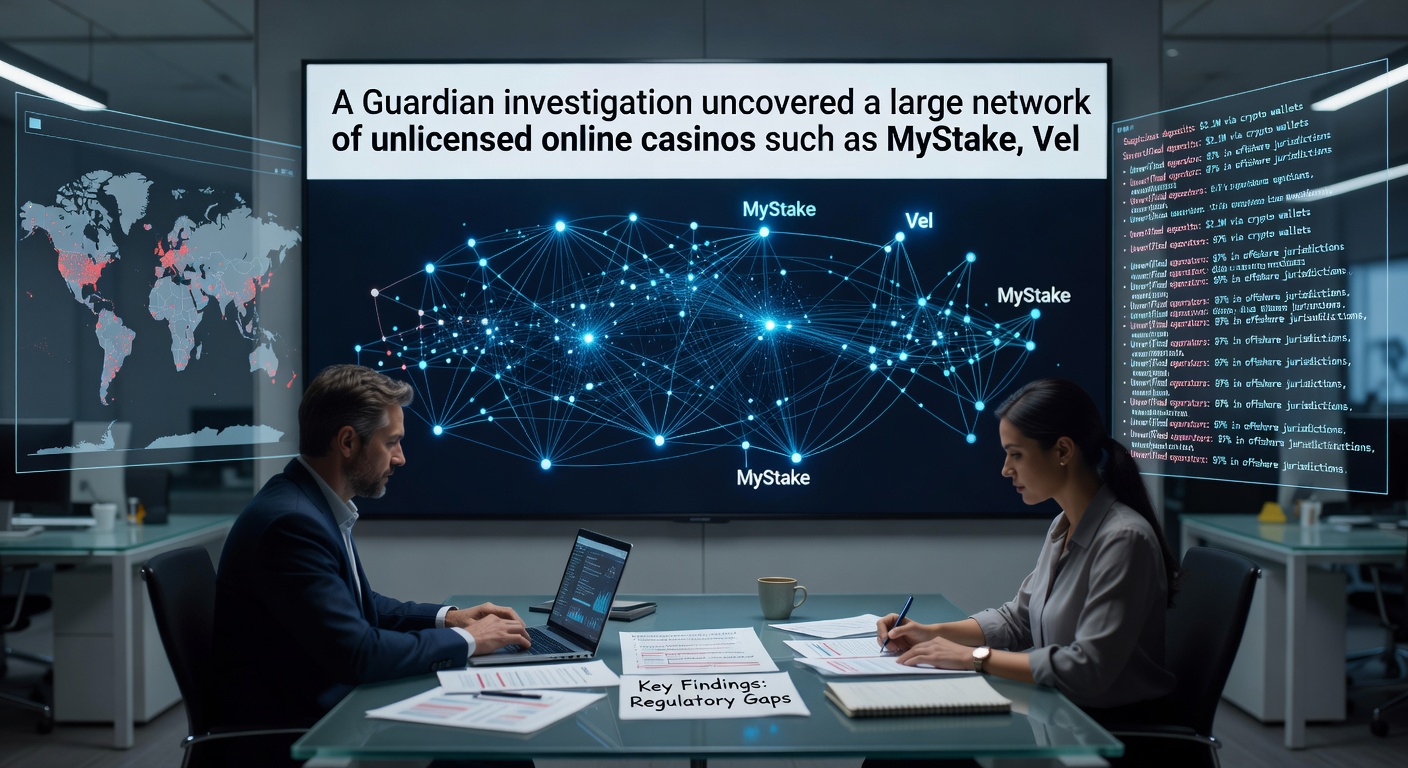
Figures from the investigation reveal staggering reach: between November 2025 and January 2026, these sites averaged 2.3 million unique UK visitors each month, a number that data indicates climbed steadily as winter betting surged, drawing in punters with sports odds alongside slots and tables.
But here's the thing that hits hardest—the fallout; links to fraud run deep, with reports of bonus scams where sites lure deposits then impose impossible withdrawal rules, while financial harm manifests in debt piles that licensed operators are mandated to flag but these networks ignore entirely. And tragically, the probe ties the operation to a January 2026 suicide of a 36-year-old man, whose family pointed to unlicensed operators' role in his final months, a stark reminder of stakes beyond mere losses.
Experts monitoring player forums have noted patterns of complaints flooding in: frozen accounts after big wins, pressure to deposit more via urgent bonuses, even identity theft tied to lax verification, all while the sites rake in millions from UK sources without a penny going to problem gambling funds that GamStop partners support.
Affiliates and Gaps Fueling the Machine
Affiliate marketers form the network's frontline army, earning up to 50% revenue share on referred players, incentives that drive aggressive campaigns on platforms like Instagram and TikTok where geo-fencing fails to block UK-targeted content; those who've dissected affiliate deals describe a shadow economy thriving on GamStop frustration, with promoters framing unlicensed sites as "freedom from restrictions."
Regulatory gaps compound the issue: while the UK Gambling Commission polices licensed firms stringently, pursuing offshore operators demands international cooperation that's often slow, leaving Curaçao and Georgia as safe havens where enforcement is minimal; the reality is, UK ad rules bind affiliates loosely if they're not directly tied to licensed entities, allowing the deluge to continue.
Now, as the April 2026 probe lands amid rising calls for reform, patterns from past scandals—like similar networks busted in 2024—show operators simply rebrand and relaunch, a game of whack-a-mole that frustrates watchdogs.
MPs Push Back with Calls for Tighter Controls
UK MPs, reacting swiftly to the Guardian's findings, urge stronger measures targeting these rogue networks, proposals that include expanding GamStop to unlicensed sites via IP blocks, hitting payment providers with fines for facilitating access, and cracking down on affiliates through stricter ad laws.
One MP involved in the Gambling Act review highlighted how the network exploits Brexit-era shifts in enforcement priorities, pushing for a "follow the money" strategy that freezes UK bank flows to suspect domains; others advocate white-listing only approved payment gateways, a move that studies suggest could slash unlicensed traffic by 70% based on European precedents.
Parliamentary debates in late March 2026, just before the article dropped, already echoed these concerns, with cross-party support building for amendments that close affiliate loopholes and mandate global data-sharing on high-risk players.
Conclusion
The Guardian's April 2026 exposé lays bare a network that's not just evading GamStop but actively undermining it, pulling in millions of UK visitors amid fraud, debt, and devastating personal tolls like the suicide linked to these operators; as Santeda International and Upgaming AG's brands continue drawing crowds from Curaçao and Georgia, the pressure mounts on regulators and MPs to stitch up the gaps, ensuring self-exclusion means something real across borders.
What's significant is the momentum: with visitor data exposing the 2.3 million monthly figure and real harms documented, the ball's now in lawmakers' court to deploy tools like payment blocks and affiliate bans, potentially reshaping the landscape before more families pay the price. And while offshore havens persist, UK resolve hardens, signaling that the era of unchecked targeting might finally crack under scrutiny.