Live Dealers Deal In, Bets Roll Out: Mobile Casinos' Slot-to-Sports Revolution
UK Gambling Commission Rolls Out Transformative 2026 Rules for Online Casinos and iGaming, Hiking Taxes and Tightening Player Protections

The Announcement Shaking Up the Sector
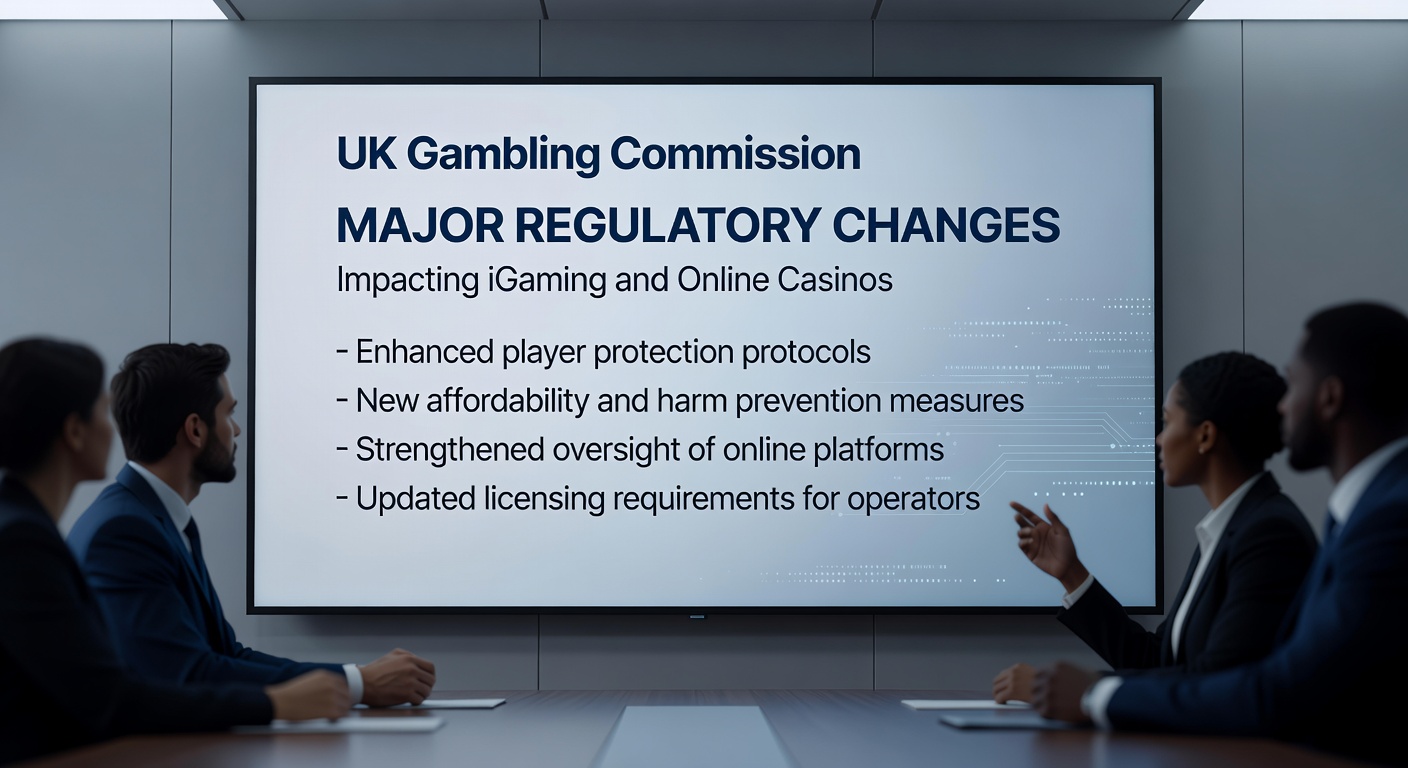
Operators in the UK iGaming and online casino space woke up to some seismic shifts recently, as the UK Gambling Commission detailed a slate of regulatory overhauls set for 2026; these changes, drawn straight from the Gambling Act Review, target player safety head-on while clamping down on harm and boosting operator compliance across the board. At the heart of it all sits a Remote Gaming Duty jumping to 40% starting April 1, 2026, tiered stake limits on online slots—£2 spins for those aged 18-24 and £5 for 25 and older—a outright ban on mixed-product bonuses, plus frictionless financial risk checks kicking in at £150 in net deposits; and while the government pumps £26 million into cracking down on illegal offshore operators, the industry braces for a landscape that's about to look very different indeed.
What's interesting here is how these reforms build on years of consultations and data crunching, with experts pointing to rising concerns over gambling-related harm as the driving force; figures from recent reviews reveal that online slots alone account for a hefty chunk of problem gambling incidents, so regulators stepped up with measures designed to curb that without stifling the market entirely. Operators who've been tracking the Gambling Act Review process note that implementation ramps up through early 2026, including pilot programs and compliance workshops slated for March, where licensees fine-tune their systems ahead of the April deadline.
Remote Gaming Duty: A 40% Leap and What It Means
The big tax hike grabs headlines first; Remote Gaming Duty climbs from its current rate to 40% effective April 1, 2026, hitting remote betting and gaming activities square in the revenue stream, while land-based operations dodge the full brunt since their duties stay put. Data from the Treasury underscores this as a revenue booster for public coffers, projected to rake in billions extra annually, yet operators who crunch the numbers warn it could squeeze margins especially for smaller outfits already navigating compliance costs.
But here's the thing: this isn't happening in a vacuum; the Gambling Act Review highlighted how offshore sites evade taxes altogether, siphoning funds away from regulated markets, so the duty increase pairs neatly with that £26 million enforcement war chest aimed at illegal operators lurking beyond UK borders. Those who've studied fiscal impacts in similar jurisdictions, like parts of Europe, observe that such hikes often prompt operators to innovate with cost efficiencies or player retention strategies that don't rely solely on high-volume play.
Slot Stake Limits Get Tiered by Age
Turning to slots, regulators introduce age-based caps that reshape how players spin the reels: under-25s face a £2 maximum stake per spin, while those 25 and up get £5, a move rooted in evidence showing younger demographics suffer disproportionate harm from high-stakes sessions. Studies cited in the review process reveal that 18-24 year olds represent over 40% of problem gambling cases tied to online slots, prompting this tailored approach that lets adults game responsibly without blanket restrictions alienating the broader base.
And while some might chafe at the differentiation, data indicates tiered limits balance protection with choice; operators must now verify ages more rigorously, integrating it into their platforms by March 2026 through software updates and testing phases that the Commission oversees closely. One case from pilot feedback loops shows early adopters tweaking game designs to emphasize lower-stake options, keeping engagement high even as limits bite.
Banning Mixed-Product Bonuses to Sharpen Focus
Mixed-product bonuses—those offers blending casino games with sports betting or bingo—face a full ban under the new rules, a change aimed at preventing players from chasing crossovers that obscure spending risks and amplify harm. According to Commission consultations, such bonuses muddle deposit tracking and encourage impulsive shifts between verticals, with data from operator reports showing elevated loss rates in hybrid promotions; by April 2026, pure-play bonuses take center stage, forcing marketers to craft targeted incentives that align better with safety goals.
Experts who've dissected bonus mechanics note this levels the playing field too, as smaller operators without sprawling product suites won't compete against giants bundling everything; instead, creativity blooms in single-vertical perks, and March 2026 brings mandatory audits to ensure compliance before the switch flips.
Frictionless Checks at £150 Threshold
Financial vulnerability gets a tech upgrade with enhanced, frictionless risk checks triggered at £150 in net deposits, using open banking data to flag affordability issues without halting play mid-session. This builds on existing mandates but lowers the threshold from higher levels, responding to review findings that harm often escalates around that deposit mark; seamless integration means algorithms scan in real-time, prompting interventions like deposit limits or self-exclusion nudges if red flags wave.
Those testing similar systems in beta phases report smoother user experiences compared to clunky manual checks, and with March 2026 earmarked for full rollout prep—including API connections and staff training—these tools promise to catch issues early, potentially slashing harm incidents by double digits based on preliminary Commission models.
£26 Million to Hunt Offshore Threats
No story on these reforms wraps without the enforcement angle; the government allocates £26 million specifically to target illegal offshore sites that undercut licensed operators by dodging UK rules and taxes. Racing Post coverage highlights how this fund fuels investigations, site blocks, and international partnerships, addressing a black market that's ballooned as regulations tighten onshore.
Figures from prior years show offshore traffic spiking during levy hikes, but observers predict this injection changes that dynamic; coordinated with the April changes, it sends a clear signal that the UK's licensed ecosystem gets robust backing, while March 2026 sees initial raids and awareness campaigns ramping up public reporting of rogue platforms.
Timeline and Prep Through March 2026
March 2026 emerges as the pivot month, with operators mandated to complete system overhauls, conduct mock compliance runs, and submit certification plans to the Commission; consultations wrap with final guidance drops, ensuring everyone hits the ground running come April 1. Data from past rollouts, like the 2019 stake limits, underscores that thorough prep cuts disruption, and those in the know emphasize how this window lets innovation flourish—think AI-driven personalization within new bounds.
Stakeholders from trade bodies to player advocates agree the phased approach mitigates shocks, although smaller firms lean on shared tech platforms to meet deadlines without breaking the bank.
Conclusion
These 2026 reforms from the UK Gambling Commission mark a bold recalibration for iGaming and online casinos, blending higher duties, stake curbs, bonus tweaks, risk checks, and anti-offshore muscle into a framework laser-focused on safety and sustainability; as April 1 looms with March prep in full swing, the sector adapts to a reality where player protection drives the game, and compliance becomes the ultimate house edge. Operators who navigate this nimbly stand to thrive, while the £26 million shield fortifies the market against external threats—turning potential pitfalls into a more resilient future for all involved.